Color vision has always been measured by what people say they see. trueHue measures what they actually see.
01 — THE PROBLEM
Color-vision deficiency, by the numbers.
CVD affects how hundreds of millions of people perceive the world, making it difficult to distinguish red-green or blue-yellow shades. It impacts education, careers, and daily life, yet remains under-diagnosed because traditional tests are inaccessible and limited.
CVD affects hundreds of millions of people. It touches education, careers, and daily life — yet stays under-diagnosed because legacy tests are inaccessible and limited.
300M+
People affected worldwide
1 in 12
Men with red-green deficiency
1 in 200
Women affected
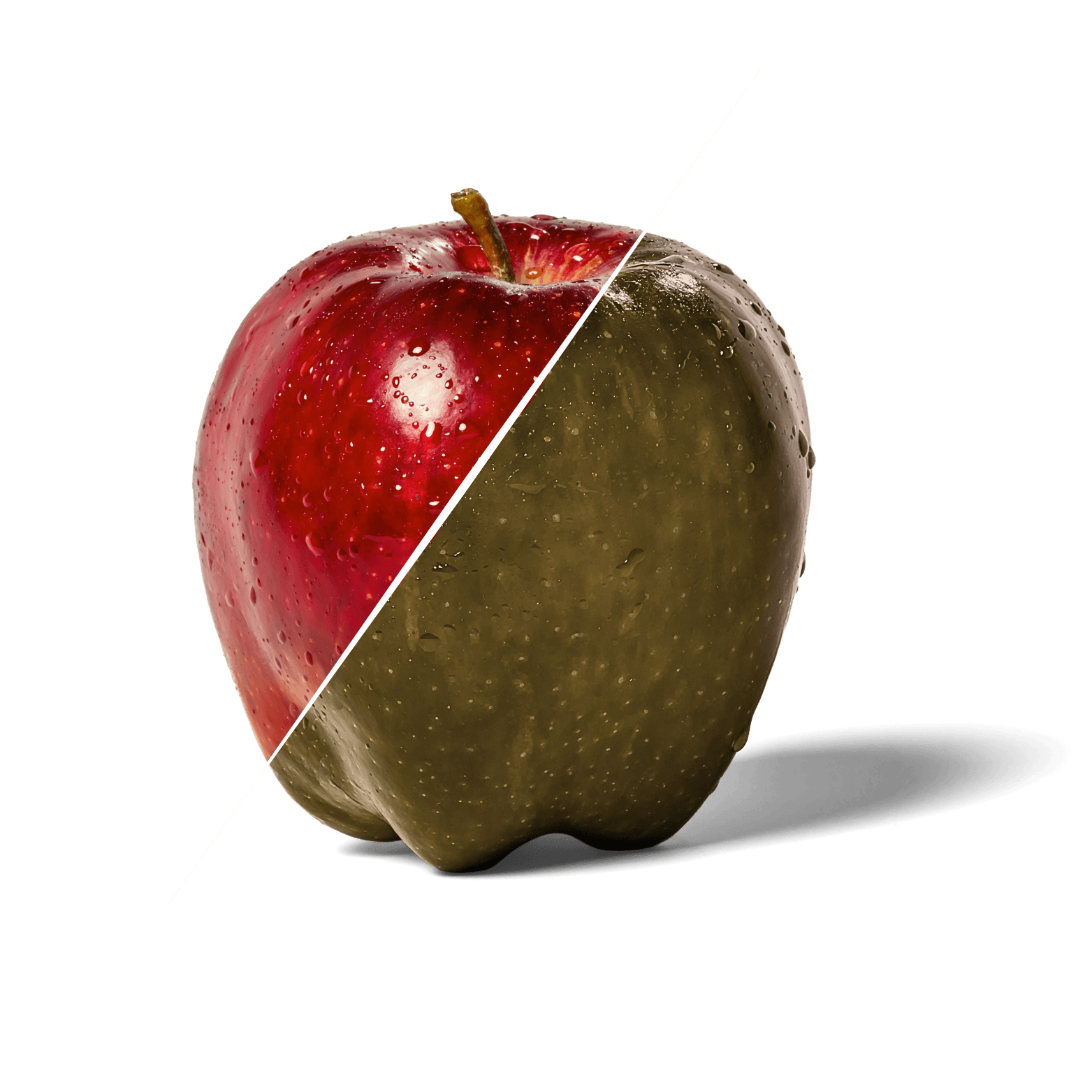
Color vision deficiency is most often genetic, caused by impaired cone cells in the retina. The result is a quieter version of the same world: signals lost, warnings missed, work degraded.
CVD is most often genetic — impaired cone cells in the retina. The result: signals lost, warnings missed, work degraded.
But color vision is affected by more than genetics. Age, disease, and medication can all alter how someone perceives color, and traditional tests lack the granularity to detect those changes.
But age, disease, and medication also reshape color vision — and legacy tests can't detect those shifts.
02 — THE STATUS QUO
A century of paper, plates, and approximation.
Three tests still dominate clinical color-vision assessment. None of them produce a quantitative result. None of them scale.
1907
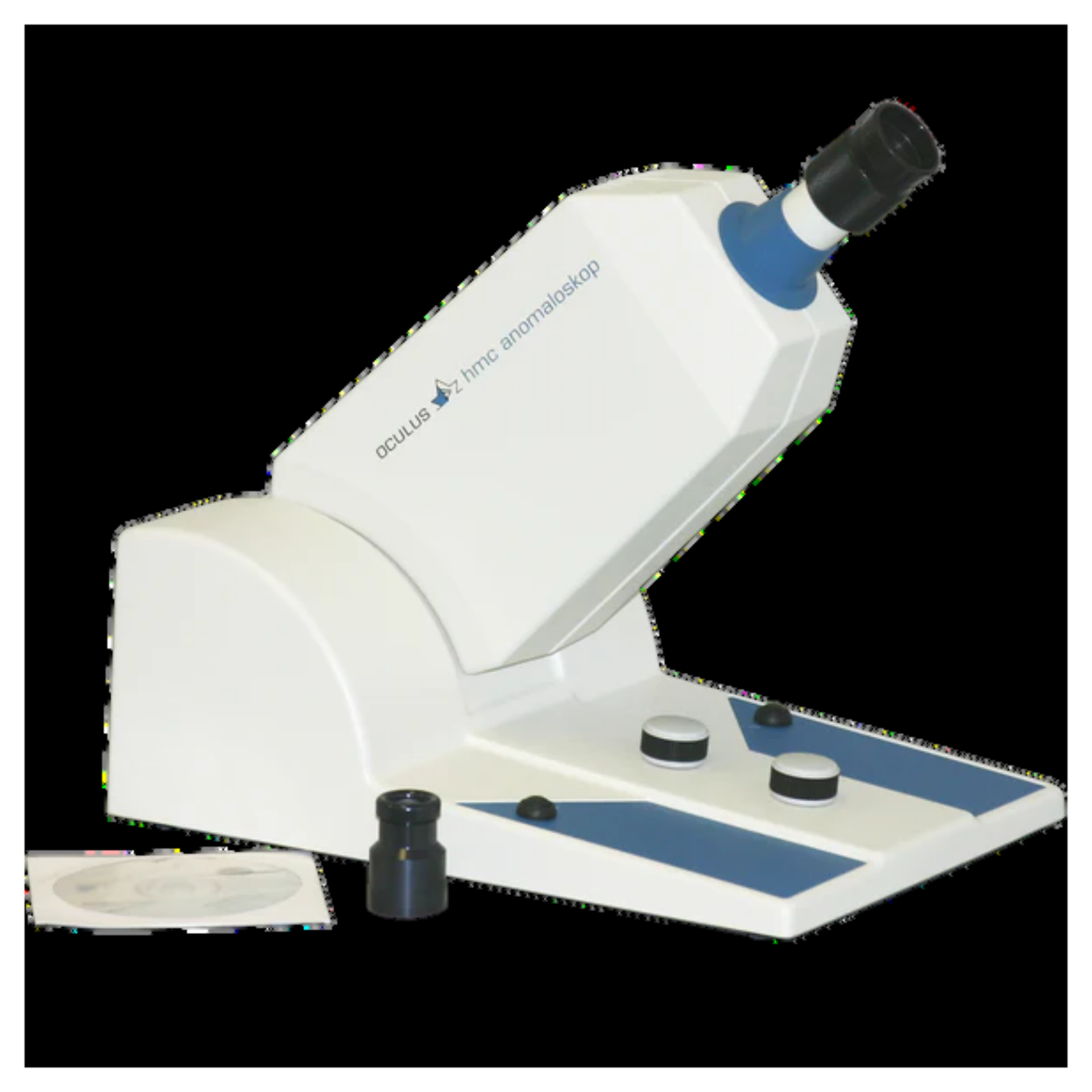
Anomaloscope
Requires extensive training to administer. Sessions exceed 20 minutes and are largely confined to clinical research settings.
Requires training. 20+ min sessions, mostly research-only.
20+ min · Research only
1917
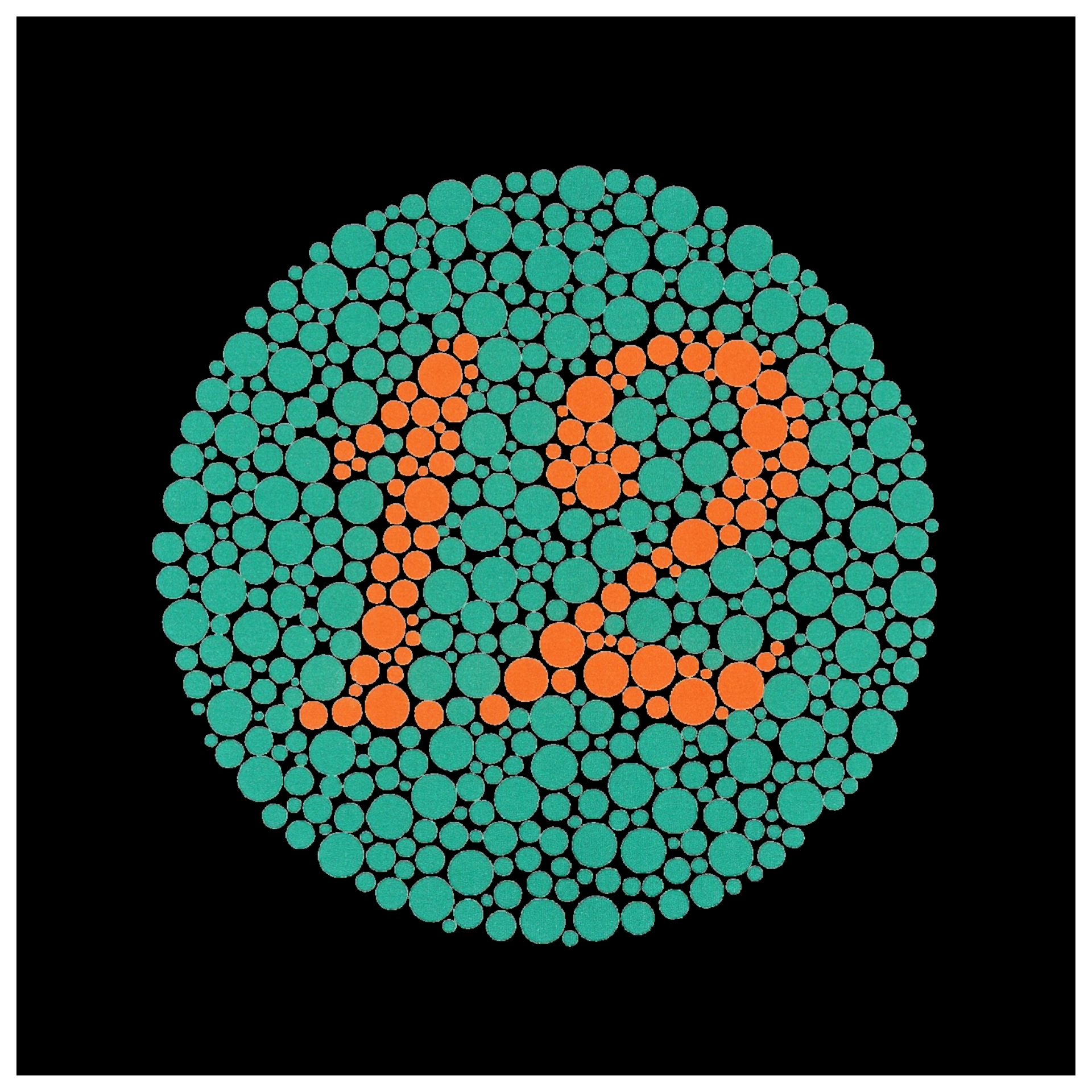
Ishihara
Limited to red-green detection. Administered via paper booklet. Subjective, non-quantifiable, and easily influenced by ambient lighting.
Red-green only. Paper booklet — subjective and lighting-dependent.
Red-green only · Paper-based
1940s
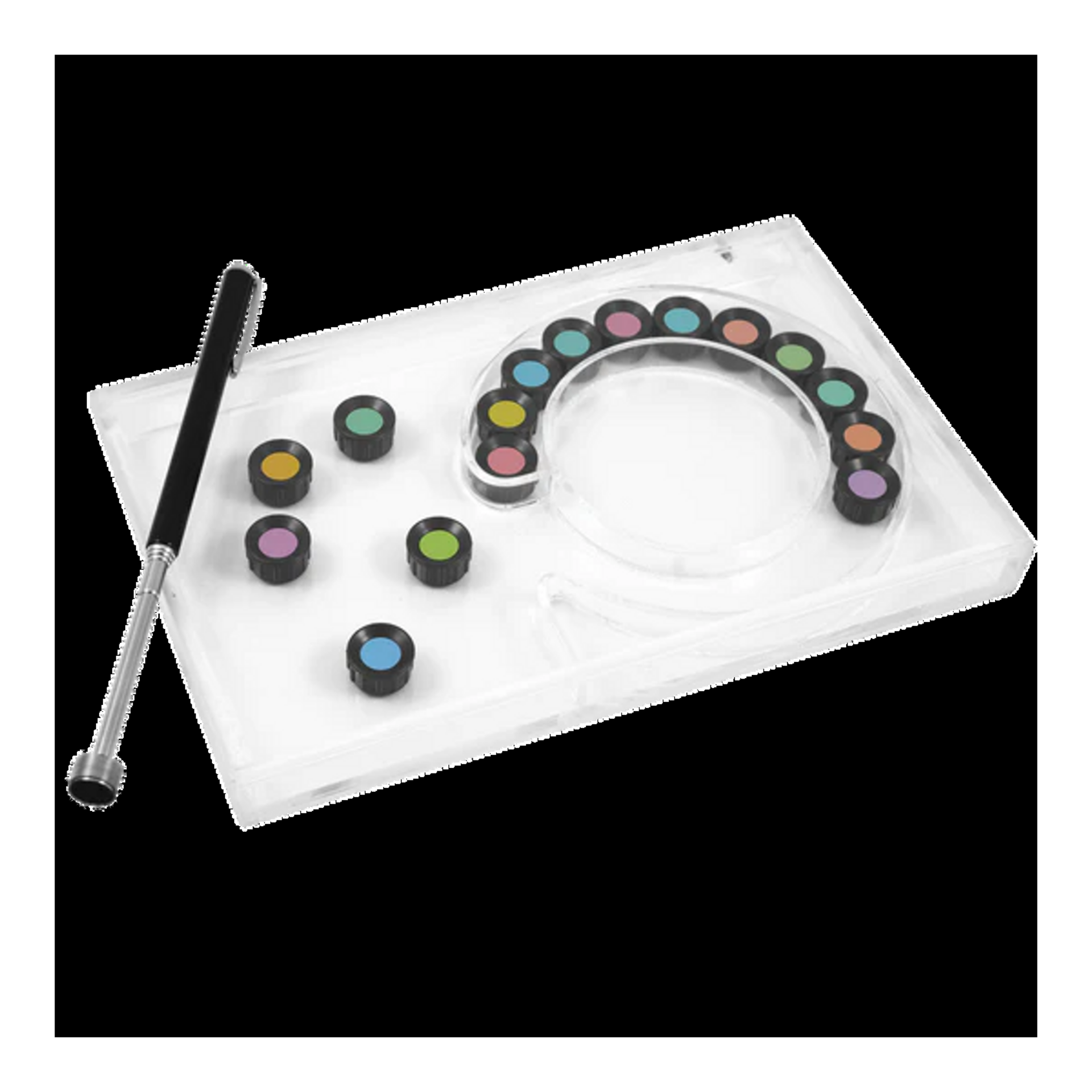
Farnsworth
Takes 15+ minutes and relies on physical color block arrangement. Cumbersome, inconsistent, and impractical for broad use.
15+ min using physical blocks. Cumbersome and inconsistent.
15+ min · Physical blocks
03 — THE ANSWER
A modern test built for software, devices, and data.
trueHue runs on modern screens, completes in under three minutes, and replaces subjective booklets with software-driven measurement.
Runs on modern screens. Under three minutes per session. Software-driven, not subjective.